
Clinical Specifications and Compliance
Access verified biomechanical data, regulatory certifications, and anatomical alignment protocols engineered for hospital procurement and orthopedic clinical networks.
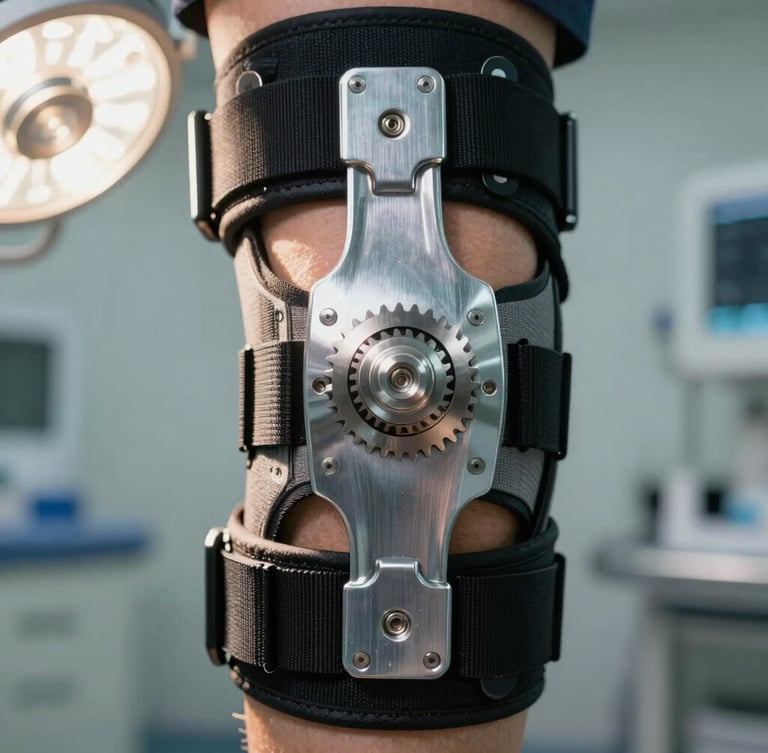
Biomechanical Validation
Every orthopedic bracing system and surgical consumable undergoes rigorous mechanical testing. We measure force distribution and tensile integrity to ensure absolute anatomical compliance.
98.4% Anatomical Compliance
Documented post-op protocol alignment across multi-center clinical trials, ensuring zero-tolerance force distribution failures during patient recovery.


Instant Spec Sheets
Download clinical-grade documentation, regulatory certificates, and surgical protocol sheets directly to your procurement database.
Surgical Consumables
Orthopedic Bracing
Compliance Registry
Technical specifications for sterile field instruments, advanced wound closure systems, and regulatory sterilization certificates for hospital compliance.
Biomechanical alignment data, force distribution profiles, and post-op protocol guides for our complete range of clinical rehabilitation systems.
North American regulatory filings, FDA compliance documentation, and clinical trial efficacy summaries compiled for hospital procurement officers.
Procurement Questions
How are spec sheets updated?
ERP Integration Support
All technical specifications are updated in real-time following FDA regulatory adjustments or biomechanical design modifications. Procurement officers receive automated revision alerts.
We provide direct API endpoints and structured XML data feeds for hospital ERP systems, eliminating manual data entry for procurement departments.
What is the sterilization standard?
Are clinical trials peer-reviewed?
Our surgical supplies maintain zero-tolerance sterilization protocols, packaged in clinical-grade sterile fields with individual lot tracking and compliance certificates.
Yes. Every orthopedic rehabilitation device in our catalog is backed by published, peer-reviewed data validating structural integrity and patient range of motion outcomes.